Even for experienced gamers, there are still some who have misconceptions about gaming mice. They believe that wireless mice have low efficiency and poor tracking accuracy, and that wired mice are more suitable for gaming.
In fact, with the advancement of technology, this viewpoint has long become outdated. For instance, the Leibing VT1 Second Generation mouse that I just purchased has undergone comprehensive upgrades based on the previous model. Now, let me share with you what constitutes a top-level esports wireless mouse!
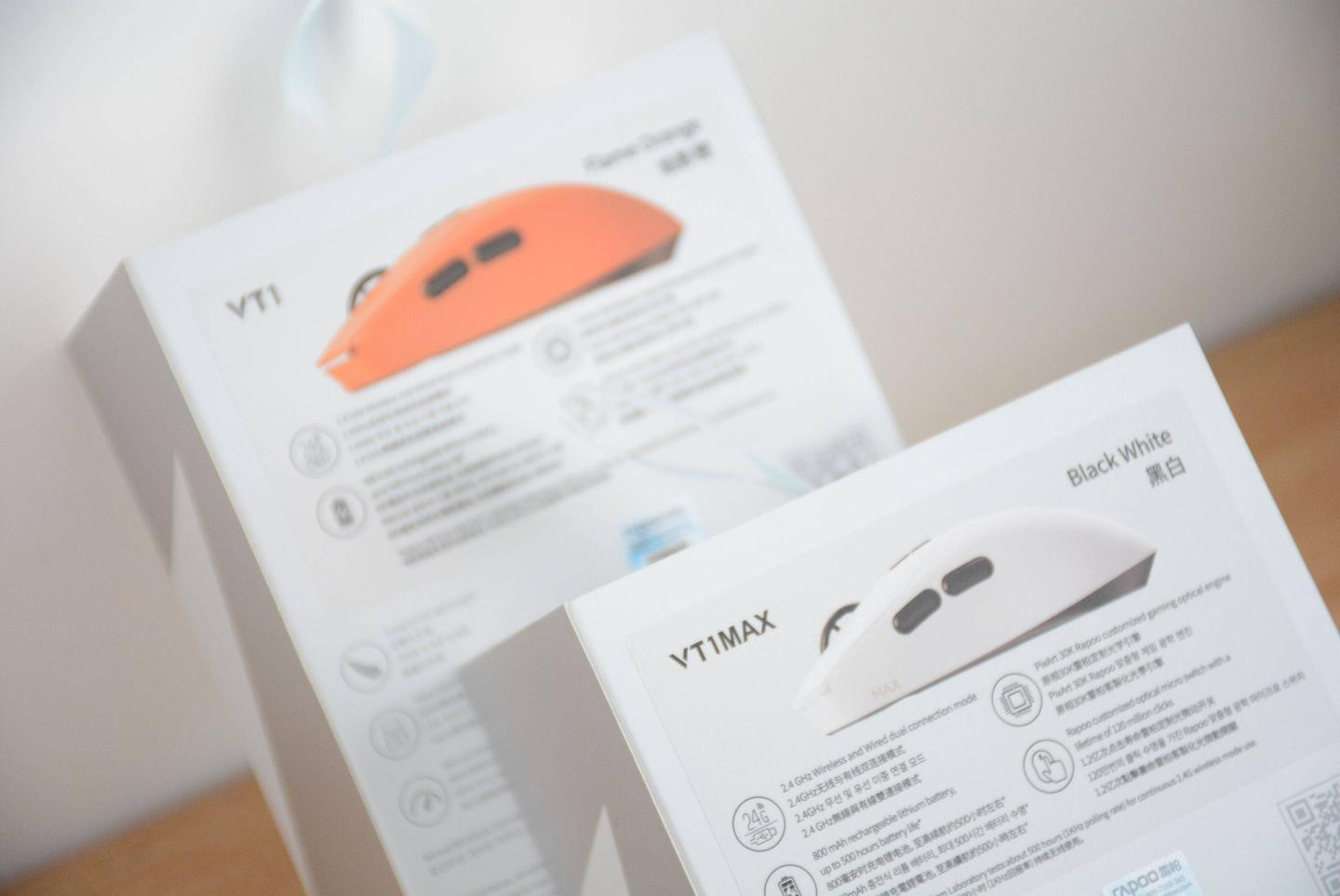
I purchased the Rival VT1 2nd Generation mouse series, which includes the Rival VT1 and VT1MAX models. These two products have some differences in their hardware design. The MAX model has a higher hardware configuration and can be regarded as a complete set of specifications.
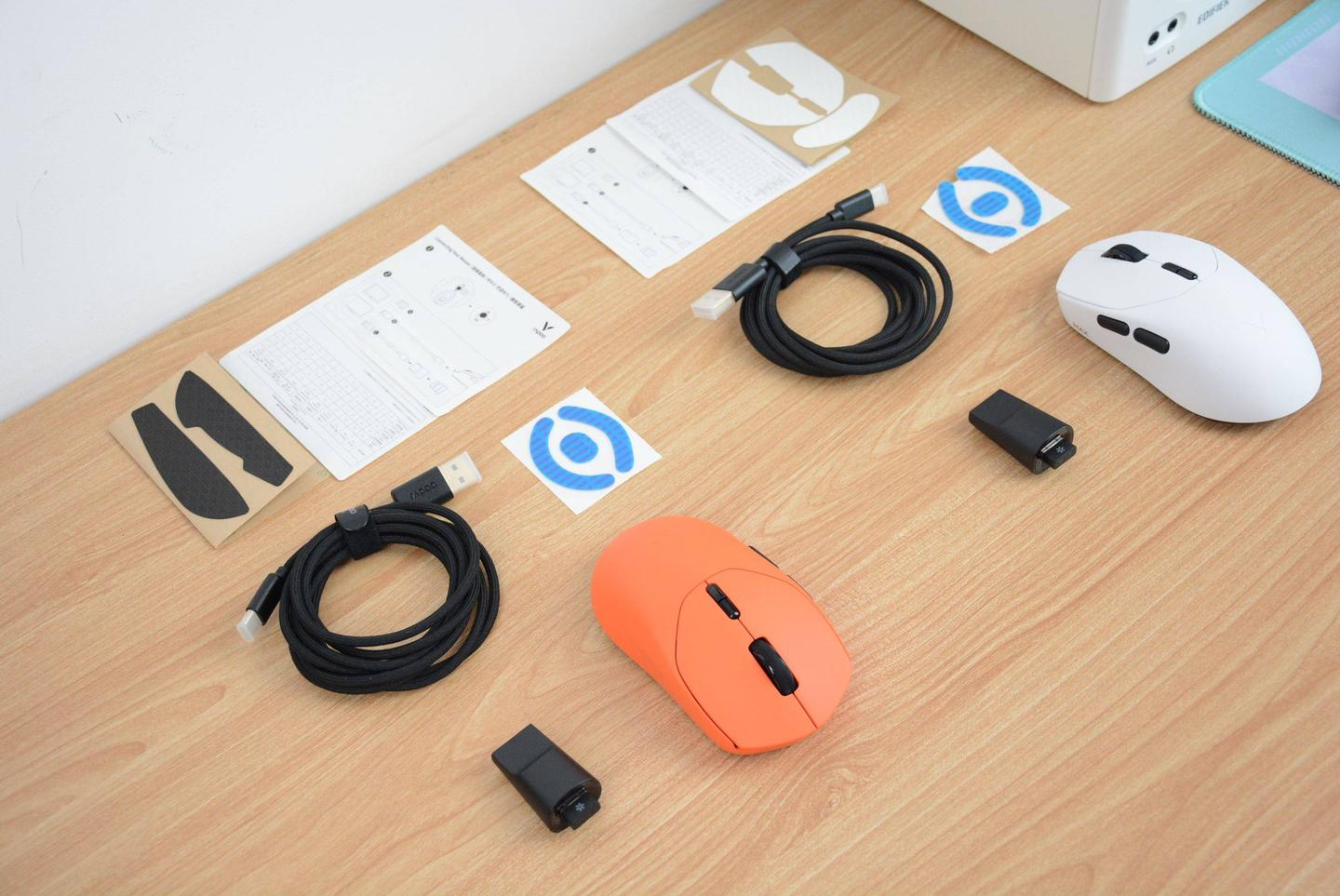
In terms of the configuration list, the Leopad VT1 2nd generation mouse is still very generous.
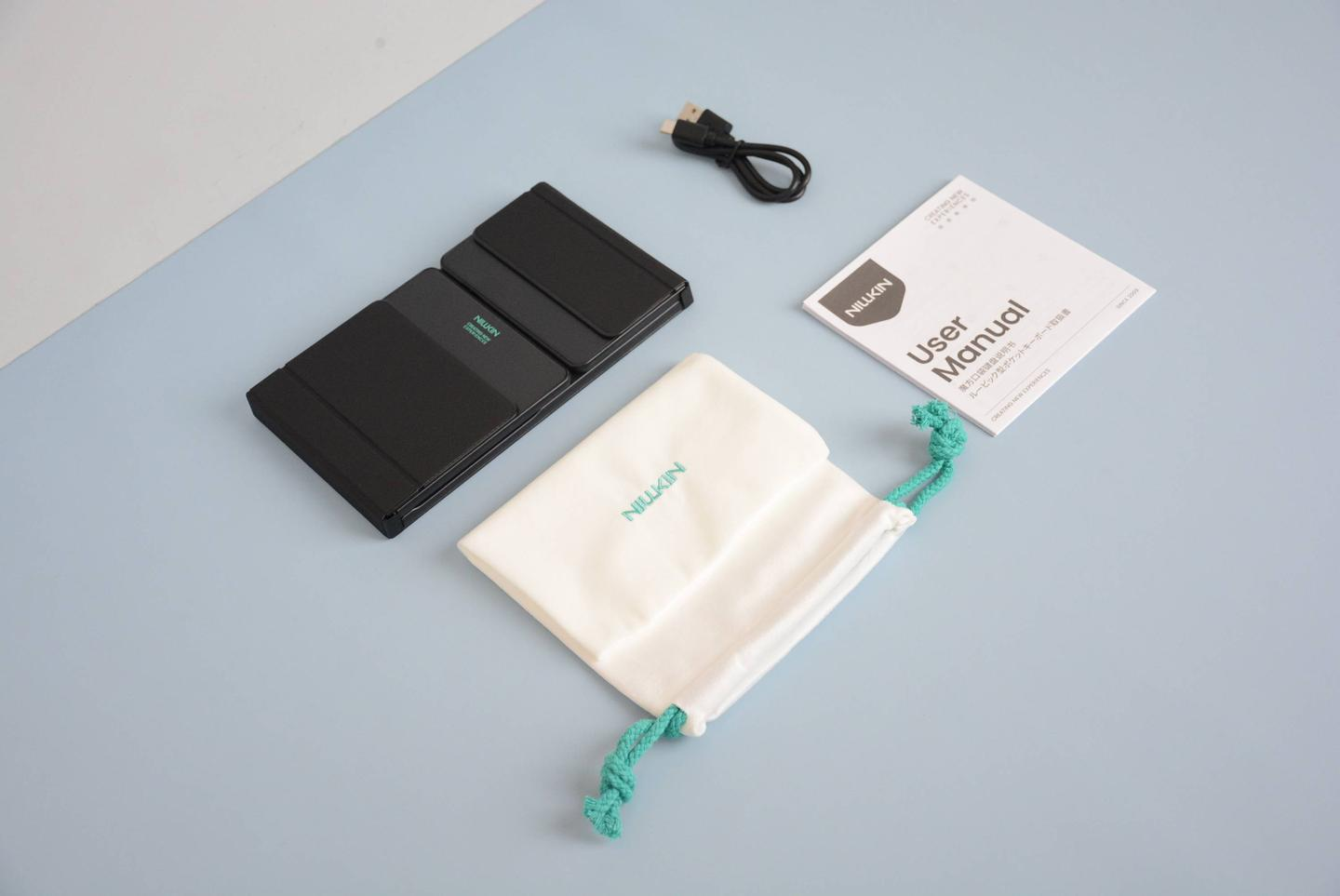
Including the included "Ice Touch" gaming foot pad, the gold-plated USB interface woven shielding layer 8K high-speed data cable, USB adapter, and Logitech VT1 second-generation mouse.
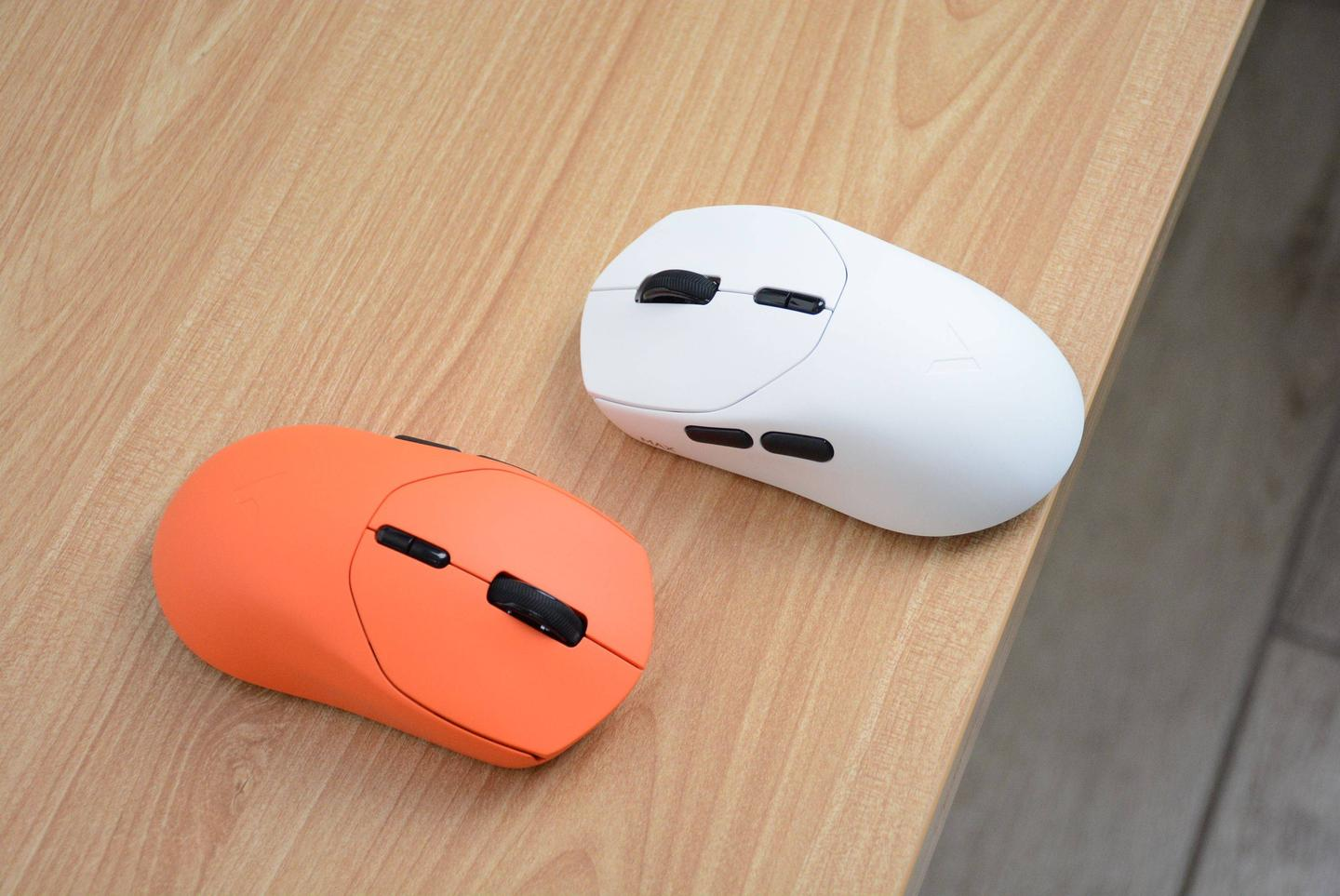
In terms of size, the Leopad VT1 and VT1MAX are both designed for smaller hands. Their dimensions are the same, with a length of 119mm. They are equipped with a 38mm low backrest, providing a better grip for the hand with a narrow front and wide back surface.
Let's start by discussing the main similarities and hardware differences between the two types of mice.
Similarities:
Both support the Power+ firmware technology (code name: Fire Dragon), which also means that both mice support OTA (Over-The-Air) updates. They are the first to be compatible with the NORDIC 54 chip globally. Additionally, both support native dual 8K response rates (wired + wireless), with the longest battery life reaching up to 750 hours! And both support the Savage Competitive Mode, with adjustable jitter delay ranging from 0 to 32ms for button release and press.
Hardware differences:
VT1: Customized 3398 by Original Phase (50 - 26000 DPI), 1 billion times Omron mechanical microswitch;
VT1 MAX: Customized by Original Phase 3950 Ultimate (10-45000 DPI, supports glass tracking technology), 1.2 billion times customized by Logitech Razer (Razer Shark) for special light-sensitive microswitches, exclusive 4-level key scanning rates (1000Hz/2000Hz/4000Hz/8000Hz), fastest key press speed (in wireless mode, the fastest full-link key press speed ≤ 0.225ms; in wired mode, the fastest full-link key press speed ≤ 0.155ms).
Objectively speaking, both of these mice have very powerful hardware configurations. VT1 is the best choice for cost-effectiveness, while VT1MAX is the flagship gaming mouse with extremely powerful performance!
And equally powerful is the battery life.
Under the condition of a 1K return rate, continuous use can last for up to 750 hours! This result truly astonished me. It also means that theoretically, continuous use for 8 hours without breaks can last for 93 days, and for up to three months without charging!
This is not merely relying on a large battery, but rather utilizing the V+ algorithm to reduce the power consumption of the mouse!
Here, it is important to note that even with an 8K return rate, the battery life can last for up to 120 hours!
Surface treatment process. Are there two processes for the VT1 series? The VT1 Starry Black & Moon White adopts the skin-like matte finish process, while the VT1 Flame Shadow Orange & VT1 MAX Full Color uses a skin-friendly anti-slip coating. The touch sensation is delicate, truly deserving of being produced by a major company.
At the bottom of the mouse is the "ice sensation" gaming footpad mentioned earlier. Besides, the wireless charging module that many people like is also a universal design that users can replace themselves.
In terms of the overall appearance and hardware, both Leopad VT1 and VT1MAX are quite excellent; especially the flame-tinged orange color scheme, it's truly "stunning" and I really like it very much.
So, how is the actual daily usage experience like?
First of all, I really love the A-HUB from Leab. This can be said to be a comprehensive product of Leab's drive technology, featuring powerful functions and being simple and easy to use.
In the lower right corner of the desktop, the current mouse connection method and remaining battery level information can be displayed in real time. It is simple and has an excellent visual effect.
The A-HUB function is extremely powerful. It can be divided into several major sections such as DPI settings, key modification, performance, parameters, and mouse settings. The customization functions are entirely left to the users, and they are very user-friendly.
Of course, for the most powerful attribute module, that is right here, you can choose from multiple preset modes.
In different modes, parameters such as wireless radio frequency settings, engine scan frame rate, and return rate can all be set by the user. The battery life calculator in different modes can calculate the reference battery life time, which is very intelligent.
With such a powerful hardware configuration, during actual gameplay, there is no noticeable lag at all. The controls are precise and smooth.
Especially for games like "Cyberpunk 2077" that involve shooting elements, precise control means hitting exactly where you aim. This is the ultimate gaming experience provided by top-level gaming mice.
Other games, including various FPS games and 3A games, the Leabus VT1 and VT1MAX both perform extremely well. The microswitches have an excellent feel and quick rebound. Especially in FPS games, such as for assault rifles, the experience is even more outstanding.
Overall, I think the Lebor VT1 2nd generation mouse truly achieves a complete set of configurations. Whether it's the Lebor VT1, which has powerful configuration and focuses on cost-effectiveness, or the top-of-the-line VT1MAX, the performance is extremely satisfactory and it is definitely worth having!